
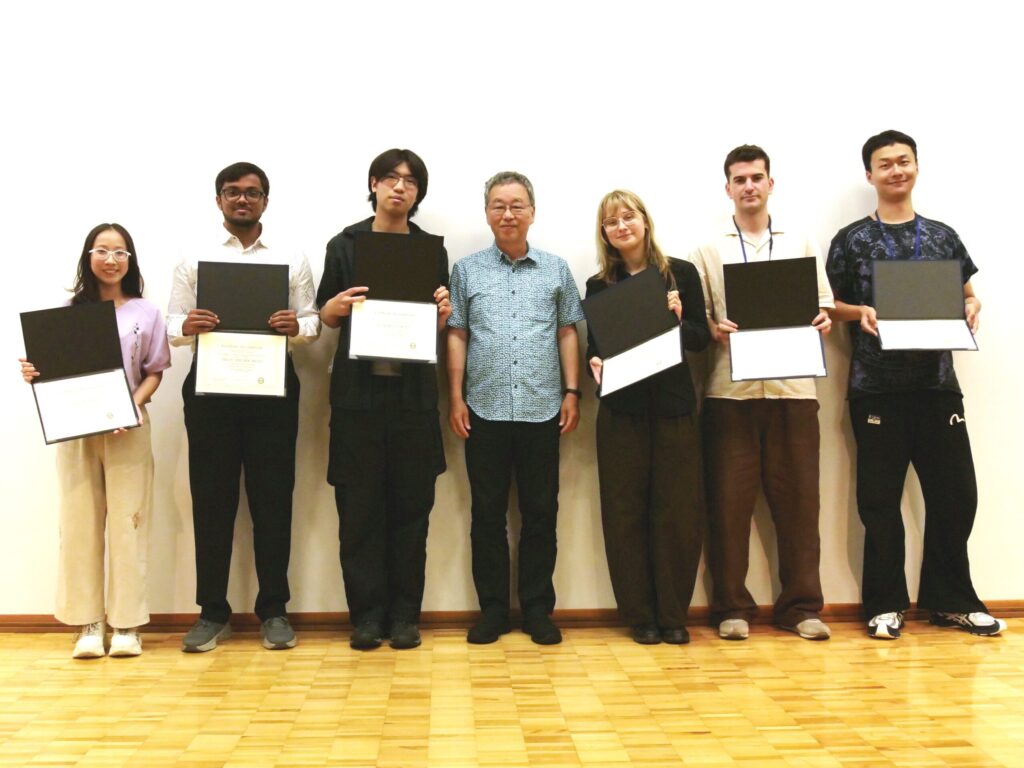
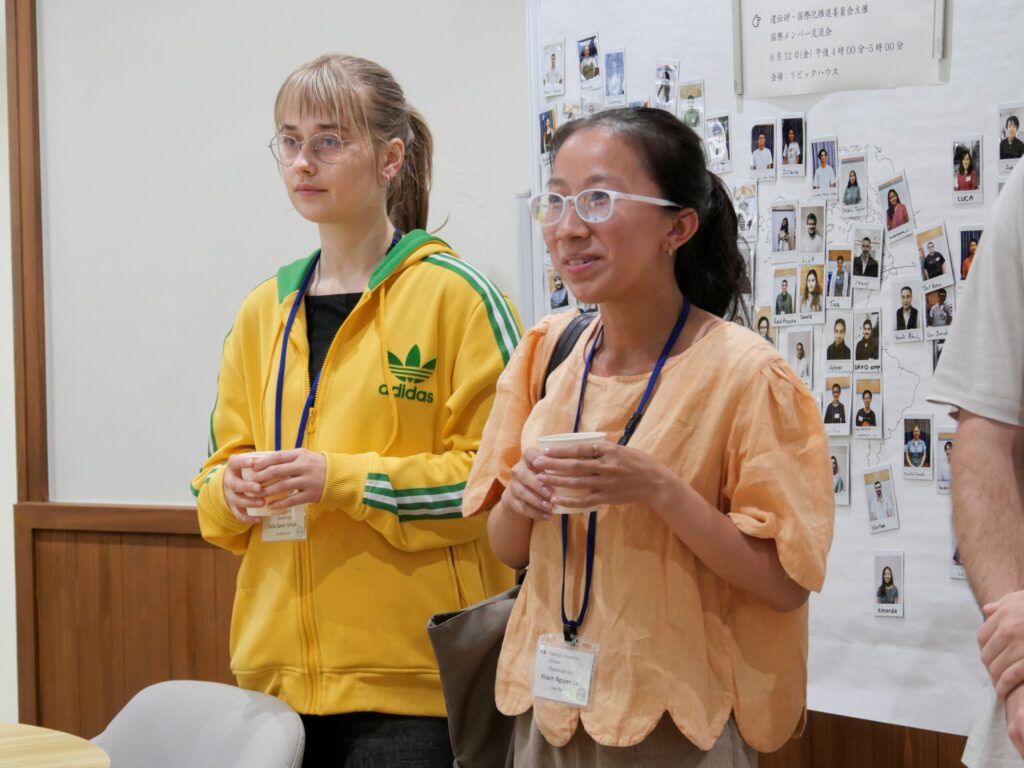
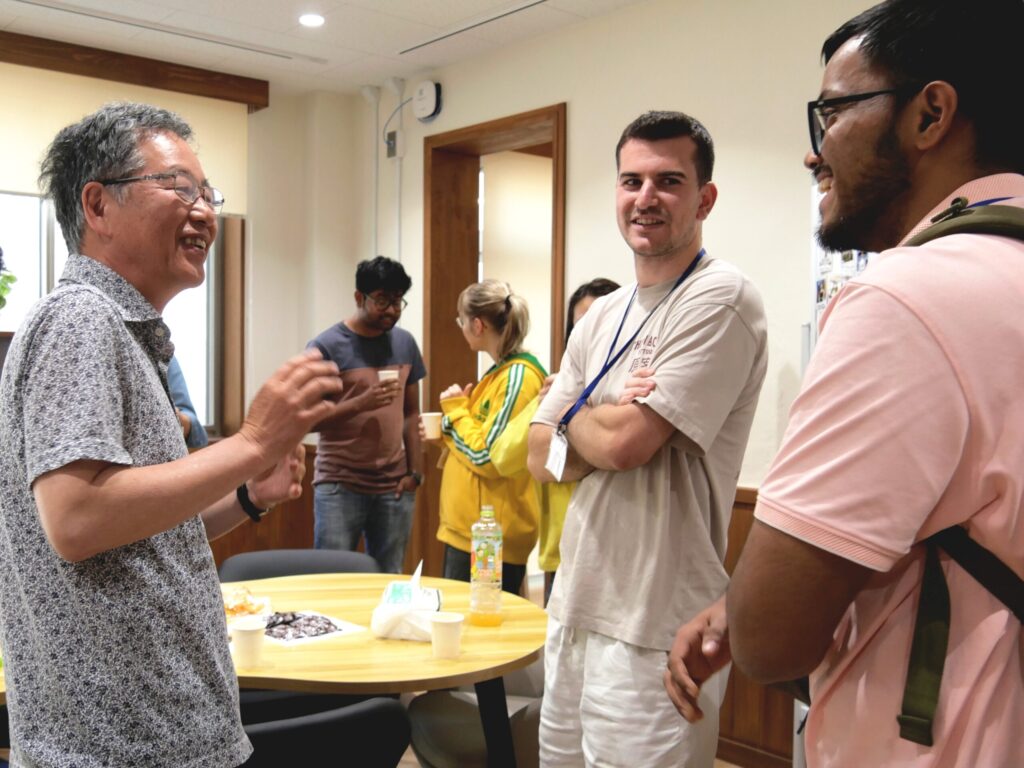
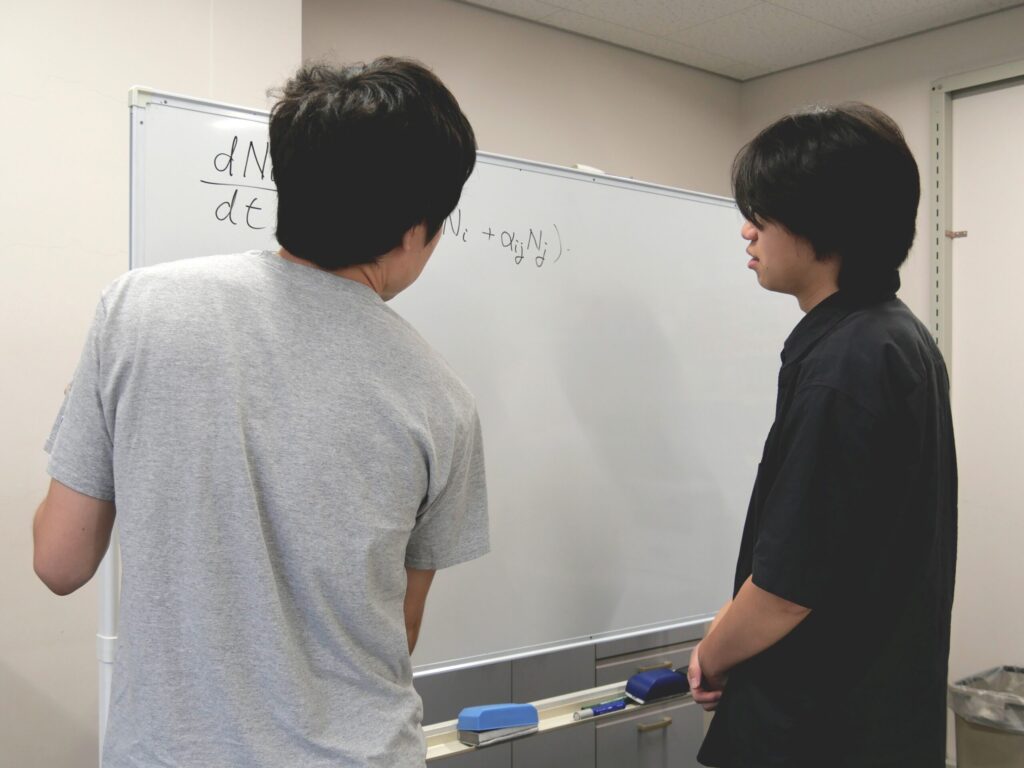
 From:Johns Hopkins University
Stayed at:Biological Networks Laboratory / Arita Group
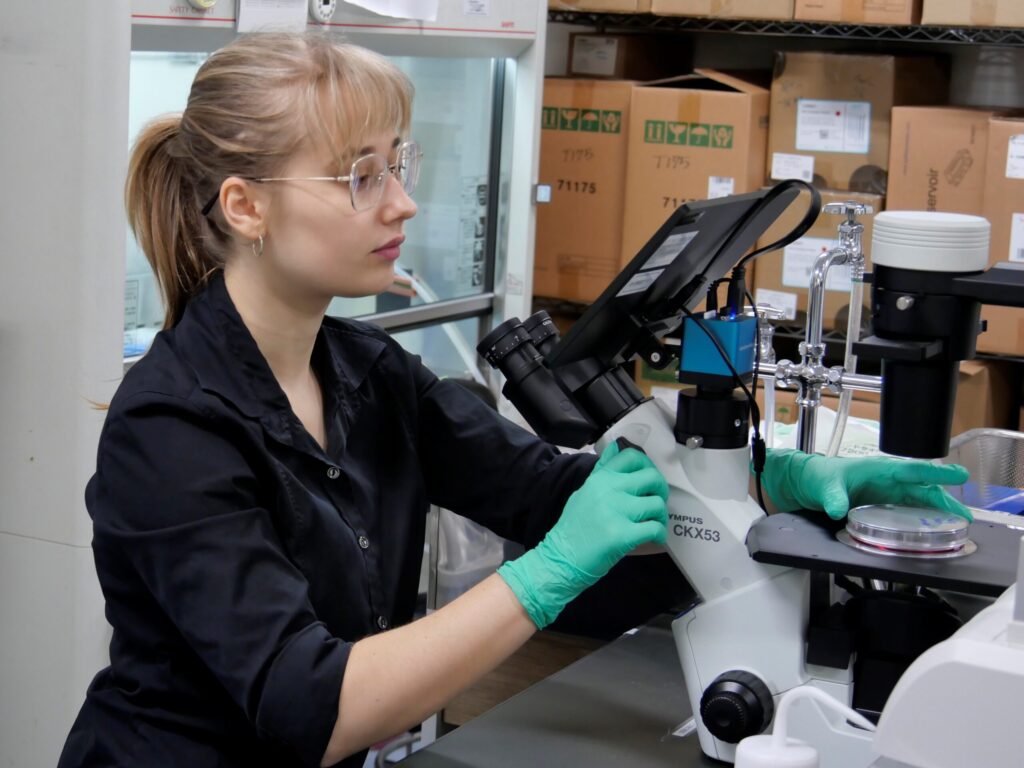
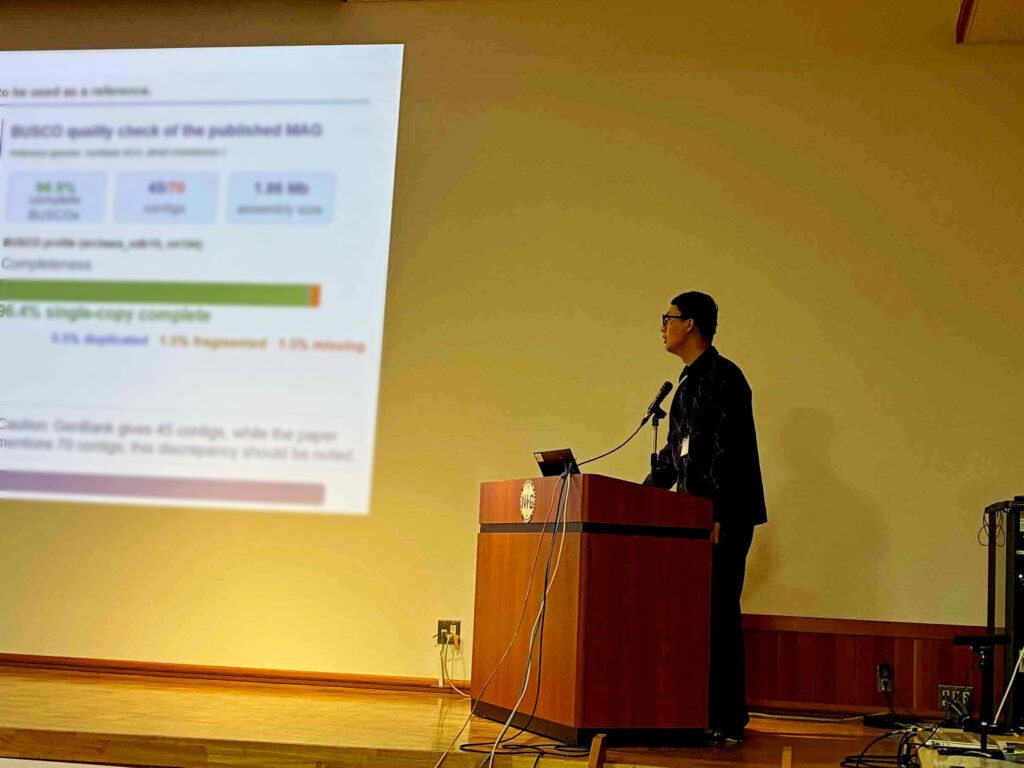
 My internship at the National Institute of Genetics was rewarding and memorable. During my stay, I learned how to conduct metagenomic analysis step by step, from processing sequencing data and organizing large datasets to using tools such as Kraken2, Bracken, BUSCO, and FastANI. I also improved my skills in Linux, R, and bioinformatics coding. More importantly, I learned how to turn computational results into biological questions and how to explain them clearly in a scientific presentation.
Life at NIG was also very comfortable. The guest house was clean, affordable, and well managed, with cleaning services twice a week. The campus was quiet and peaceful, but transportation was very convenient. It was easy to reach Mishima Station by shuttle bus, and from there I could travel to nearby cities. Around Mishima Station, I also enjoyed many delicious restaurants and local foods, which made daily life even more enjoyable. I also bought some local Japanese souvenirs, which were highly appreciated by my lab members back in the United States.
What impressed me most was the kindness of the professors, students, and staff. Everyone was patient, supportive, and always willing to help me. Their warm welcome made me feel relaxed and encouraged, almost as if I had returned home.
 Looking back, my summer at NIG was like fireworks—brightly lighting my path forward. Although the fireworks may fade, this experience will continue to guide me in the future. This internship not only strengthened my research skills, but also taught me the Japanese spirit of diligence, respect, and perseverance. I will always remember my time at NIG as an important step in my growth as a researcher.
 From:
 I am so grateful to have been one of the selected candidates for the NIG-INTERN program. I am certain that the time I have spent in Japan will take my research career to the next level.
 I am very grateful to Kuraku-sensei for his mentorship during the internship. I will always remember the long talks and discussions we had about genomics and how much I have learnt from them. However, what I liked the most were the non-scientific discussions, especially about football. Additionally, I want to thank all the members of the lab for their support and help during my stay.
 From:
 To summarize my six weeks at NIG in 300 words is not easy. From my very first day I was warmly welcomed into Sasaki-sensei’s lab. I came to Mishima with almost no practical background in genomics, and I am leaving having learned to run CRISPR-CATCH and pulsed-field gel electrophoresis on my own, and metaphase-spread FISH together with Yoshino-san, who patiently spent many hours at the bench with me.
 I am especially grateful to Sasaki-sensei, who not only taught me new techniques but also discussed and planned experiments with me. Our conversations over lunch, about research and about much else, were among the things I enjoyed most. More than any single method, what I learned here was how to think about an experiment: what a result can and cannot tell you, and why the next question matters as much as the current answer.
 Outside the lab, NIG gave me something I had not expected. Talking with other interns, PhD students and principal investigators from very different fields helped me form a far clearer picture of the kind of researcher I would like to become. The students here welcomed me just as warmly and showed me what life at NIG looks like outside of the lab: badminton, bouldering, karaoke evenings. One of my favorite weekend activities to look back on is the road trip into the countryside near Mt. Fuji, where we hiked together.
 From:
 This was exactly what I needed after a number of rejections from other programs. Solace I did find at NIG, after my exams, from the sweltering heat and plum rain season, on a hilltop looking over the idyllic city of Mishima.
 After work, I’ve enjoyed playing badminton, tennis, and football with the other interns, students, and faculty at NIG, along with our various karaoke and izakaya sessions. With ramen, unagi, and of course conbini bentos (and Fujinomiya yakisoba, made fresh IN the lab!) I’ve certainly eaten very well, as did my camera – outside Mishima, I’ve also been able to explore Yokohama, Kamakura, and Shuzenji, and obviously Tokyo with the other interns.
 From:
 I still can’t believe I spent six weeks in Japan. It was a completely new experience for me, a new country, city, and lab to find my footing in.
 My task was to build an LLM-based interface for the Microbiome Datahub, a dataset curated and maintained by Professor Mori. The dataset’s scale made this especially challenging, 214,427 MAGs spread across 26 metadata, 29 phenotypic, and 807 KEGG module columns, far too large for manual SQL or Python-based exploration, which motivated the need for a natural-language layer. I used a Llama-3.3-70B-Instruct-AWQ-INT4 model hosted locally on a DGX Spark machine, and designed a 5-stage RAG pipeline to ensure the LLM extracted accurate values instead of hallucinating. The project gave me hands-on experience turning a large, complex scientific dataset into a conversational interface while keeping outputs accurate and verifiable.
 From:
 I can’t believe six weeks flew by so fast and that I have already completed my internship. I still remember how thrilled I was when I opened my acceptance email for NIG-INTERN 2026 to join Kanemaki-sensei’s lab at the Molecular Cell Engineering Laboratory. Having the chance to learn in such an advanced research environment was truly a dream come true for me, even if I felt a little nervous at the start.
 Beyond our experiments, Japan captured my heart in ways I never expected. I loved the quiet, peaceful charm of Mishima, and I had so much fun traveling around to Tokyo, Saitama, Hakone, and Kanagawa on weekends. I also experienced my very first earthquake and typhoons during this trip. They were definitely a bit scary at the time, but looking back, they made my journey so vivid and unforgettable.